
Pt. 3 – full frame
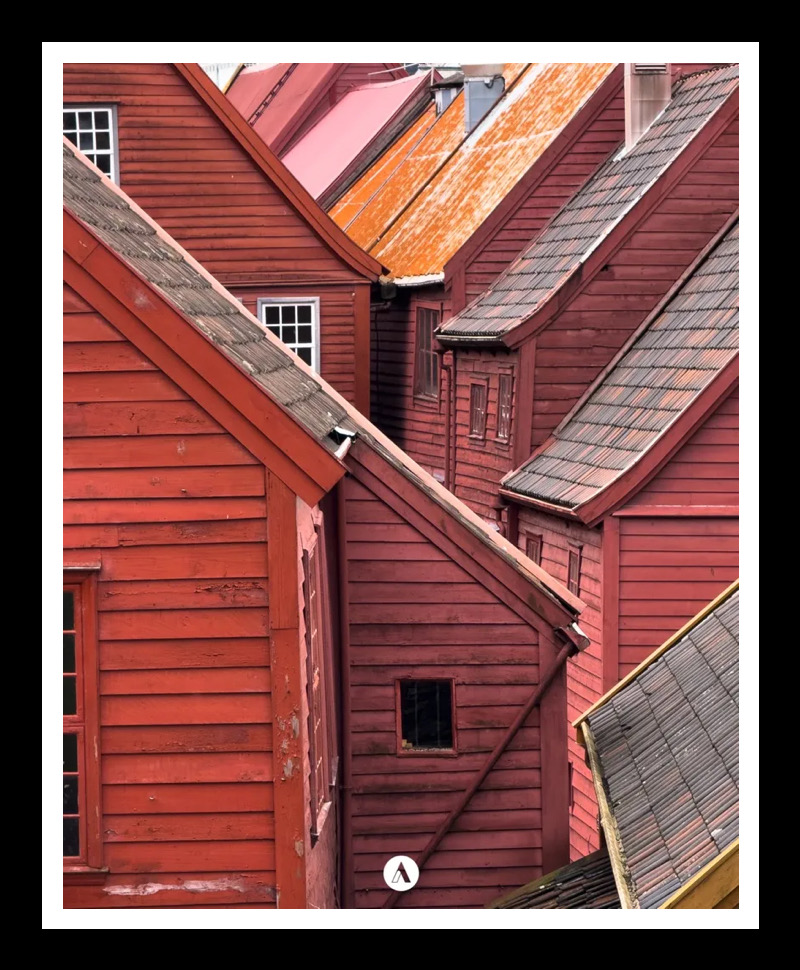
Oft neigen wir dazu, immer das große Ganze fotografieren zu wollen. Das Haus vollständig von der Straße bis zum Dach, die Blumenwiese samt Himmel oder auch eine ganze Szenerie auf Tierbeobachtung. Das Ergebnis auf dem Foto beinhaltet dann oft Bildanteile, die gar nicht notwendigerweise zu zeigen sind. Zweifelsfrei ist das auch ein gutes Stilmittel, negativen Raum um ein Motiv aufzunehmen, aber ich selbst bin auch ein Freund von Fotos, die das ganze Bild füllen.
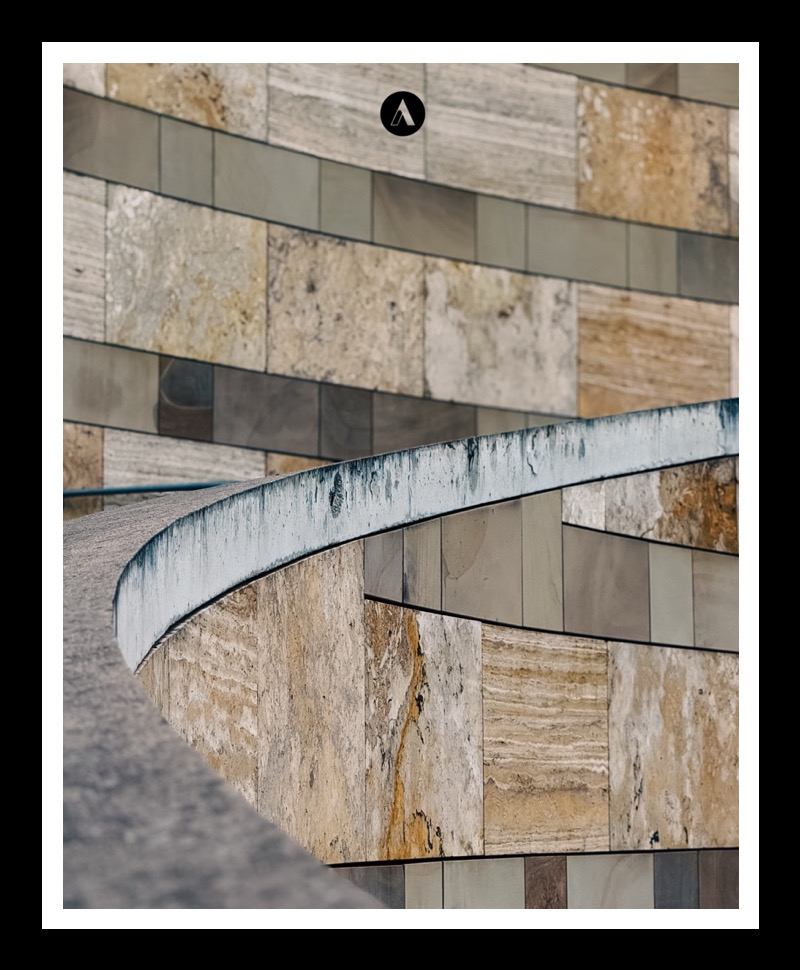
Besonders geeignet finde ich zum Beispiel Fassaden, Pflanzen, Blüten und Blätter. Auch bei Portrait- und Tieraufnahmen können spannend wirken, wenn das ganze Bild gefüllt ist.
Ich finde es toll, wenn man Formen und Strukturen auf solchen Fotos erkennen kann und das ganze Bild etwas graphisches ausstrahlt.
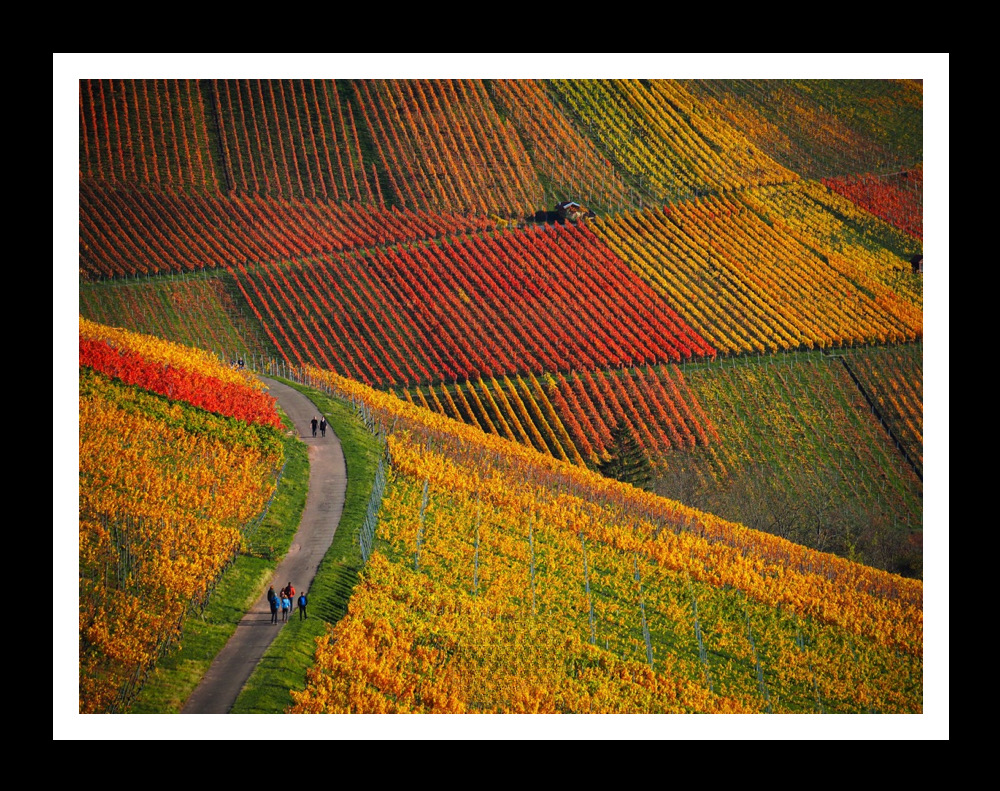
Am besten gelingen solche Fotos mit dem Zoom – je mehr Zoom, desto besser. ob das Foto dann eine gewisse Enge transportiert wie im ersten Bild aus Bergen, oder eine Weite wie bei den Weinbergen, hängt sehr vom Motiv ab. Aber in beiden Fällen kommen die Formen und Linien gut zur Geltung.
We often tend to want to photograph the „big picture“—the entire house from street level to roof, a flower-filled meadow complete with the sky, or an entire scene while observing wildlife. The resulting photograph, however, often includes elements that do not necessarily need to be shown. While incorporating negative space around a subject is undoubtedly a valid stylistic approach, I personally am also a fan of photographs that fill the entire frame.
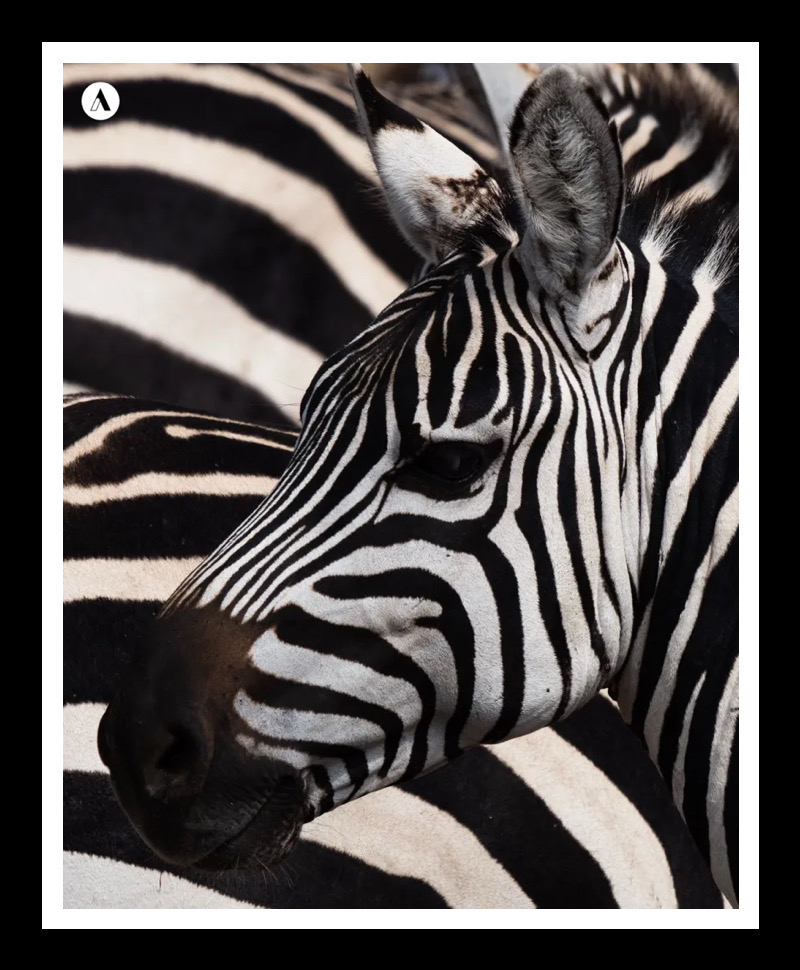
I find subjects such as facades, plants, blossoms, and leaves to be particularly suitable. Portraits and animal shots can also look striking when the entire frame is filled.
I think it’s great when you can visualize shapes and structures in photos like these, and when the whole image looks a bit graphical.
Such photos turn out best when using a zoom – the more zoom, the better. Whether the resulting image conveys a sense of confinement – as in the first picture from Bergen – or a sense of spaciousness – as with the vineyards – depends on the subject. In both cases, however, the shapes and lines are beautifully accentuated.

 www.khun-aleks.de